Appliance Insight · Home appliance guides
Find the right home appliance, without the guesswork
Plain-English reviews, buying guides and care tips for kitchen appliances, refrigerators, vacuum cleaners and smart home devices, so you can compare, choose and maintain with confidence.
- Plain-English advice
- Energy-aware tips
- Safety-first guidance
Why readers use Appliance Insight
- Plain-English guidesBuying and setup advice without the jargon.
- Energy-aware adviceRunning costs and efficiency, not just features.
- Safety-first tipsClear cautions before you plug in, wire up or connect.
- Care checklistsSimple routines that help appliances last.
Explore home appliance guides by category
Pick a category to see our latest guides, reviews and care tips, or use the search box above to look for a specific appliance or problem.
Kitchen Appliances
Ovens, dishwashers, small appliances and smart storage ideas for a better kitchen.
Explore guidesRefrigerators & Freezers
Water-line hookups, sizing, energy use and everyday care for the appliance that never switches off.
Explore guidesVacuum Cleaners
Floor-care basics and smart cleaning ideas, from robot vacuums to everyday upkeep.
Explore guidesSmart Home Devices
Smart appliances, electricity use and safety features explained in plain language.
Explore guidesLaundry & Dishwashers
Washer, dryer and dishwasher setup, wiring basics and routine maintenance.
Explore guidesEnergy & Efficiency
Which appliances use the most power at home, and simple ways to use less.
Explore guidesStart with the room you’re equipping
Every room has different appliance needs. Choose one to see what to look for and where to read more.
Kitchen appliances
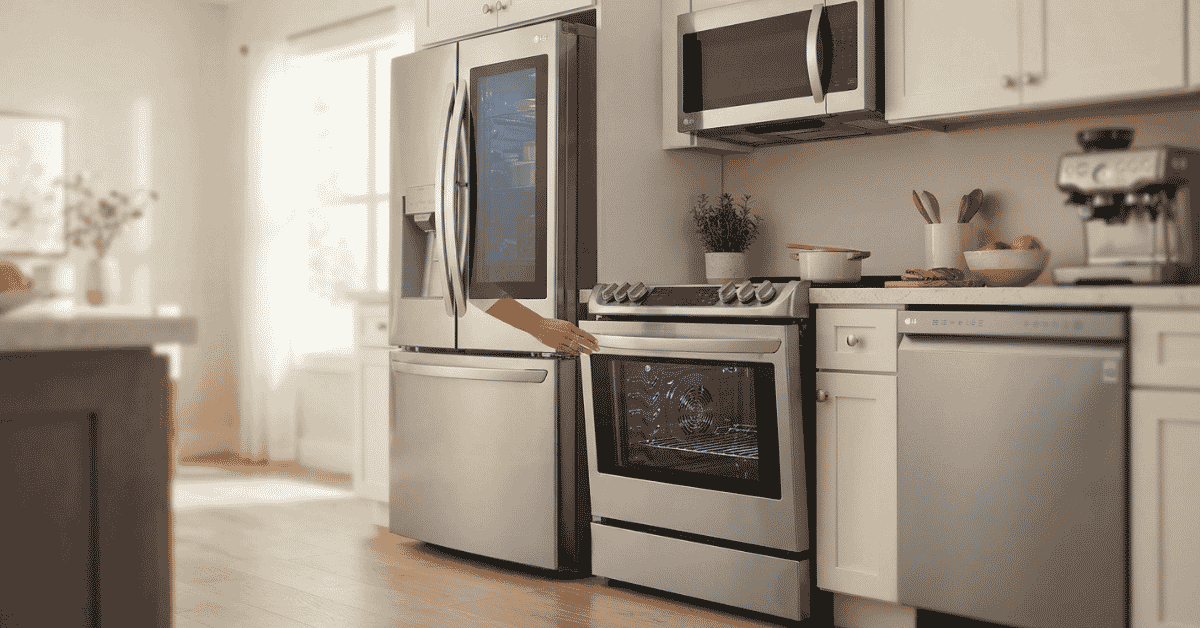
The kitchen is where appliance choices affect daily life and energy bills the most: fridge, oven, dishwasher, microwave and the small gadgets in between.
Quick tip: keep the refrigerator between 35°F and 38°F and the freezer at 0°F for safe food storage and sensible energy use.
Laundry room
Washers and dryers work hard every week. The right setup, venting and routine care protect both your clothes and your home.
Quick tip: clean the dryer lint filter before every load, and have the vent duct cleared at least once a year.
Living room
Smart speakers, robot vacuums, air purifiers and TVs are the devices most people connect first. Choose ones that fit your space and your Wi-Fi.
Quick tip: before you connect a smart device, check its Wi-Fi requirements and review its privacy settings.
Bedroom
Comfort appliances like fans, air purifiers, humidifiers and smart plugs run for hours, so efficiency and quiet operation matter here.
Quick tip: look for the ENERGY STAR label when comparing fans, air purifiers and dehumidifiers.
Utility room & garage
Water heaters, dehumidifiers, spare fridges and freezers live here, and so do the jobs that deserve extra care with wiring and plumbing.
Quick tip: not sure about wiring, gas or major plumbing? Ask a licensed professional. Our guides are general information, not professional advice.
From search to set-up in four simple steps
A clear path from “which one should I get?” to “it’s installed and running well.”
-
Search or pick a room
Type an appliance or problem, or choose the room you’re equipping.
-
Compare plain-English guides
Read buying guides and reviews written without the jargon.
-
Check energy and safety
Look for ENERGY STAR labels, installation cautions and running-cost tips.
-
Buy, set up and maintain
Follow setup steps and care checklists to keep appliances working well.
Latest home appliance guides
Our newest reviews, buying guides and how-tos, shown here as soon as they’re published.


Where your home’s energy actually goes
Heating and cooling take the biggest share, but the appliances you choose and maintain still shape your bills.
Typical U.S. household energy use by purpose
Share of household site energy consumption, 2020
- Space heating: 42%. The single largest use in U.S. homes.
- Air conditioning: 9%. This varies widely by climate and region.
- Everything else: 49%. Water heating, refrigeration, cooking, lighting, appliances and electronics.
Source: U.S. Energy Information Administration, 2020 Residential Energy Consumption Survey (EIA release, June 2023). Your own mix will depend on climate, home size and fuel type.
At least once a year, and more often with pets.
Empty the lint filter every load and clear the vent yearly.
Compare certified models when it’s time to replace.
Six checks that prevent buyer’s remorse
Run through this list for any appliance, from a vacuum cleaner to a refrigerator, before you add it to the cart.
Measure first
Measure the space, doorways and clearances, including door swing, before you shop.
Check the energy label
Compare ENERGY STAR-certified models and the estimated yearly running cost.
Think about noise
Check sound ratings for dishwashers, vacuums and range hoods, especially in open-plan homes.
Read the warranty
Know what’s covered, for how long, and how to arrange a repair.
Pick smart features you’ll use
Wi-Fi control only helps if you’ll use it. Check app support and privacy settings.
Count the total cost
Add delivery, installation, accessories and replacement filters to the sticker price.
A simple appliance care calendar
Small, regular habits protect efficiency and safety. Always unplug an appliance before cleaning it and follow your owner’s manual.
-
Clean the dryer lint filterBefore or after every load, to keep air flowing and reduce fire risk.
-
Scrape, don’t pre-rinseScraping food off plates saves water, and most modern dishwashers are built to handle the rest.
-
Wipe spills once coolCleaning oven, cooktop and fridge spills quickly stops residue from baking on.
-
Let the washer air outMany manufacturers suggest leaving the door ajar between loads to limit odors and mildew.
-
Clean the dishwasher filterRemove trapped food so the spray arms and drain keep working well.
-
Wipe the washer door sealA soft cloth on the rubber gasket helps prevent grime and mildew.
-
Check fridge door sealsA tight seal keeps cold air in. If a sheet of paper slides out easily, clean or replace the seal.
-
Wash the range-hood filterGrease builds up quickly. Check your manual for how often to clean it.
-
Clear the dryer ventClean the duct from the dryer to the outside hood at least once a year.
-
Vacuum the fridge coilsDusty coils make a fridge work harder. Once a year is a common minimum; homes with pets may need it more often.
-
Replace water filtersFollow the manufacturer’s schedule, which is often around every six months.
-
Inspect hoses and connectionsLook for cracks, bulges or leaks on washer, dishwasher and fridge water lines.
Want more routines? Browse our maintenance & care tips.
Home appliance questions, answered
How do I choose the right appliance?
Start with the basics: measure your space, set a budget that includes running costs, and list the features you will actually use. Then compare buying guides and reviews, check the warranty, and look for the ENERGY STAR label on models that offer it. Our buying guides walk through these steps.
Are ENERGY STAR appliances worth it?
ENERGY STAR is a government-backed label for products that meet strict efficiency requirements. Certified models are designed to use less energy than standard ones, so compare the estimated yearly running cost with the price difference to see how quickly a more efficient model could pay for itself.
Which home appliances use the most energy?
In the U.S. Energy Information Administration’s 2020 survey, space heating accounted for 42% of household energy use and air conditioning for 9%. For the appliances inside your home, our guide to which appliances use the most electricity explains what to look for.
How often should I clean the dryer vent and refrigerator coils?
Clean the dryer lint filter every load and have the vent duct cleared at least once a year. Vacuum refrigerator condenser coils at least once a year, and more often if you have pets or a dusty home. Always unplug the appliance first and follow your owner’s manual.
Can I install appliances myself?
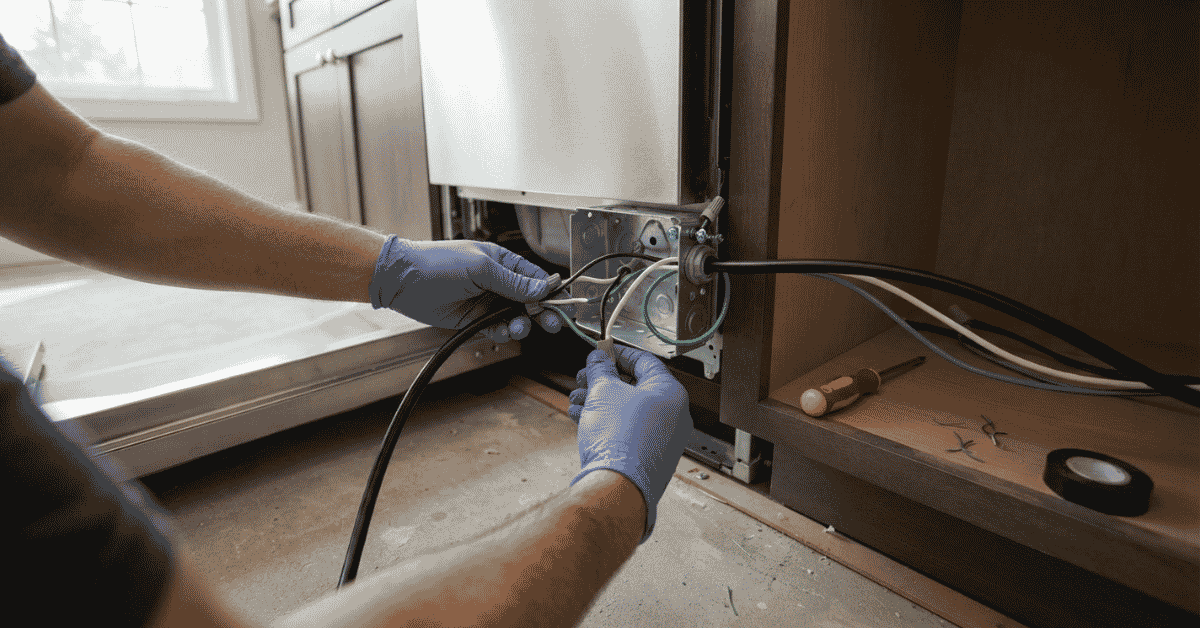
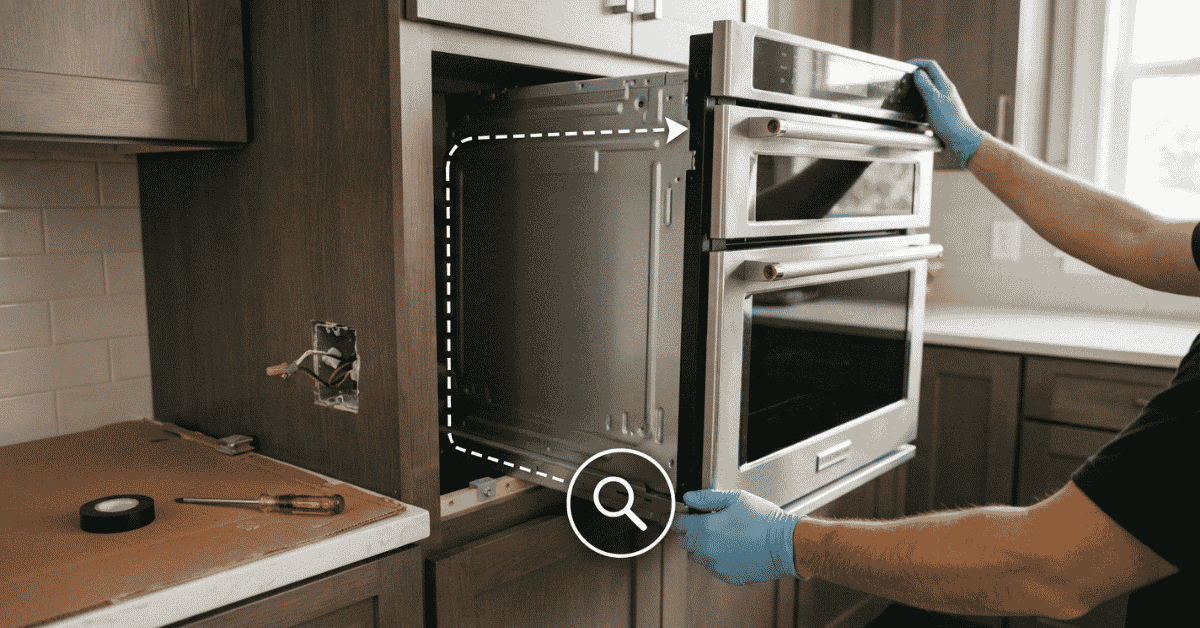
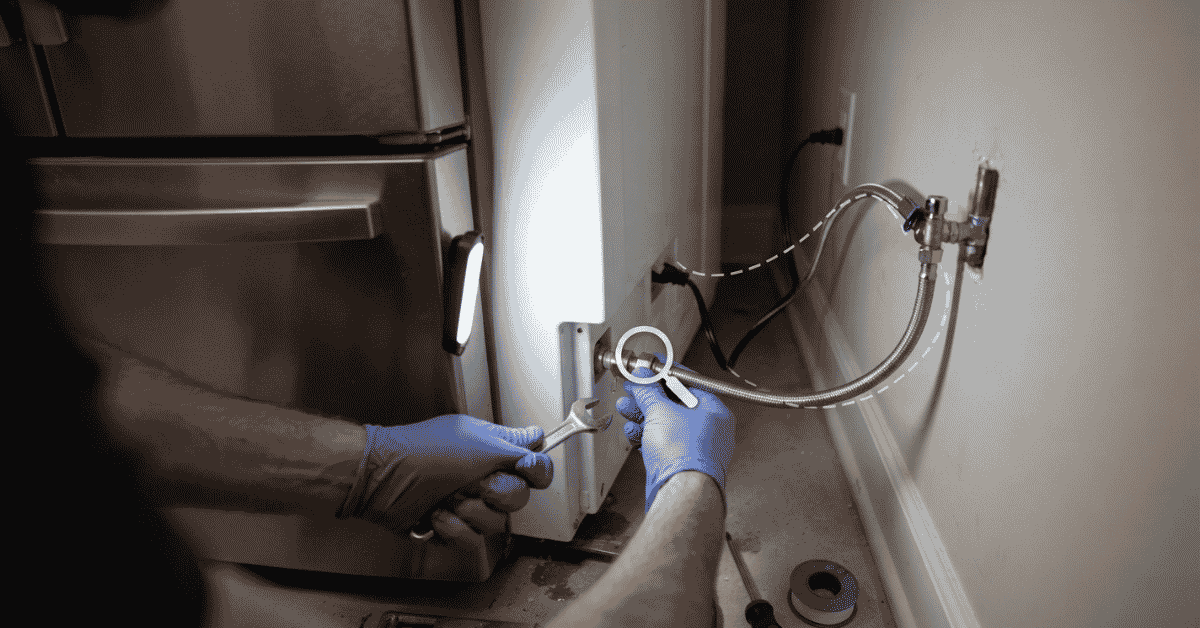
Some jobs, like positioning a fridge or connecting a water line, are manageable for many homeowners. Hardwiring, gas connections and major plumbing should be handled by a licensed professional. Our guides are general information, not professional advice. See our disclaimer.
Does Appliance Insight earn money from links?
Yes. We take part in the Amazon Services LLC Associates Program and the Impact affiliate network, so we may earn a commission when you buy through some links, at no extra cost to you. Details are in our disclaimer.
Missing a guide you need?
Tell us which appliance you’re researching or what problem you’re facing, and we’ll consider it for a future guide.
Suggest a topicReader-supported and transparent
Some links on this site are affiliate links. If you buy through them, we may earn a commission at no extra cost to you.
Appliance Insight provides general information only, not professional repair, electrical or safety advice. Always follow manufacturer instructions and consult a qualified professional for major installations.