
Smart Appliances Home Cleaning changed how I handle small chores at home. I used to see cleaning as one long job. Now, I split it into small tasks. A robot vacuum can run while I work. A smart washer can alert me when a wash ends. A smart dishwasher can take over after dinner. I still clean by hand, but I do less dull work. Here is what I found useful, what still needs me, and where smart gear can save time.
What Smart Appliances Add to Home Cleaning
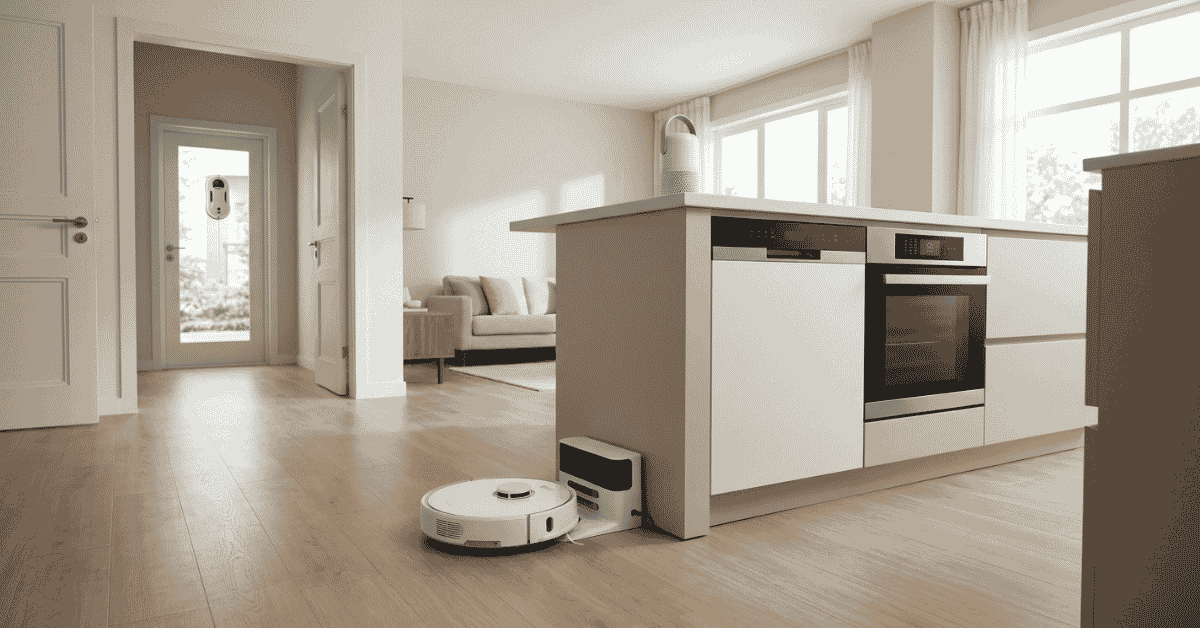
I found the main gain was not magic. It was less repeat work. Smart appliances can sense, schedule, track, or adjust a task with less input from me.
Less work, not no work
A robot vacuum can pick up dust and crumbs on set days. A smart washer can use set wash modes and send alerts. A smart dishwasher can run when I choose.
The key is simple. These tools help with routine chores, but they do not remove the need for care.
Many smart appliances also link to a phone app. I may get alerts, set a cycle, check a task, or see a fault notice. That is handy when the appliance is in another room.
Still, I judge the main cleaning job first. A good app cannot fix poor cleaning results.
Robot Vacuums for Daily Floor Care
Floor care was one of the easiest jobs for me to hand off. Dust builds up fast. So do crumbs near the table and grit by the door.
Where they help most
Robot vacuums can handle:
- Dust and fine dirt
- Crumbs
- Pet hair
- Light daily debris
- Open floor areas
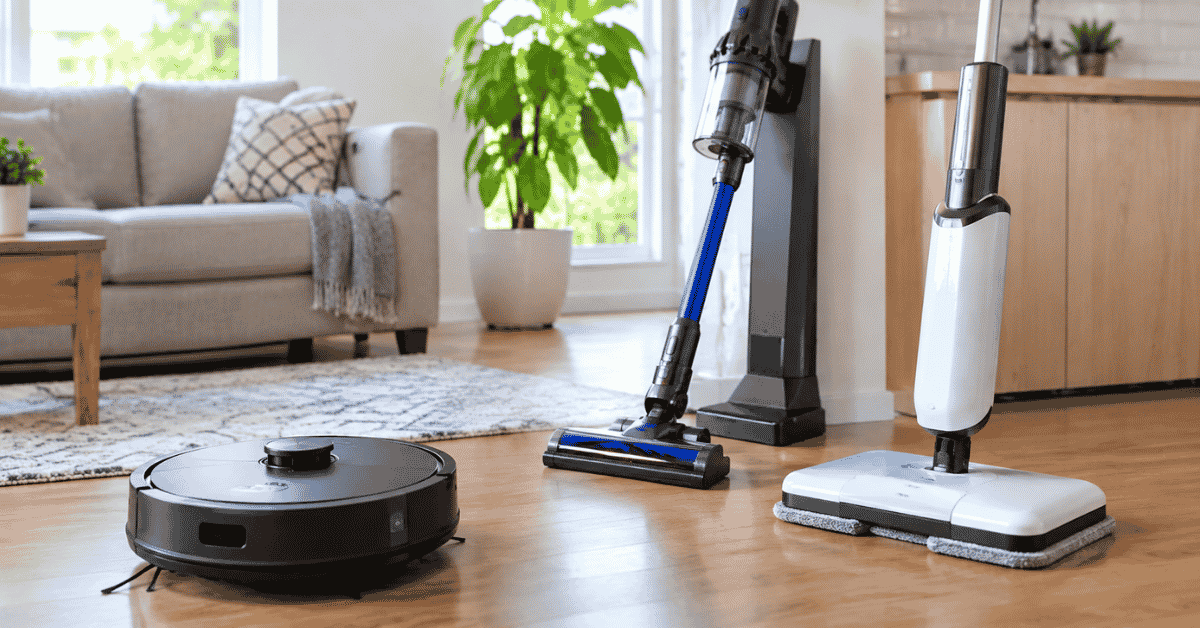
Some models can map rooms, avoid objects, return to a dock, and follow set schedules. Some also mop hard floors.
Where I still step in
I still clear cords, socks, toys, and small items from the floor. I also check the brush and dust bin.
A robot cannot clean a room that is full of clutter. It also may miss tight corners, stairs, and spots under some furniture.
My rule is simple: let the robot handle daily floor work, then do a deeper clean by hand when needed.
Smart Washers Make Laundry Easier
Laundry is not hard, but it repeats. That is why a smart washer can feel useful. I can load it, choose a cycle, and get an alert when the wash ends.
Smart features I find useful
Look for:
- Cycle alerts
- Load sensing
- Remote cycle control
- Water or energy tracking
- Error alerts
- Custom wash settings
I like alerts more than flashy app tools. A simple message that says the wash is done can stop wet clothes from sitting in the drum for hours.
What smart control cannot fix
A smart washer still needs the right load size and cycle. I still sort clothes, check pockets, clean the seal, and care for the tray.
The machine can guide the wash. It cannot build good laundry habits for me.
Smart Dishwashers Cut Kitchen Cleanup
After a meal, the sink can fill up fast. A smart dishwasher helps by taking over the same task again and again.
Features worth noting
A useful model may offer:
- Cycle scheduling
- Leak alerts
- Remote status checks
- Soil sensing
- Wash programs
- Filter reminders
I would focus on wash results, rack design, noise, and upkeep before smart controls.
I also scrape food from plates before loading them. Then I clean the filter as needed. Those small habits can matter more than another app feature.
Smart Appliances for Air and Surface Care
Home cleaning is more than floors, clothes, and dishes. Air cleaners and connected cleaning devices can support the wider home care routine.
Smart air cleaners
A smart air purifier can track air readings and adjust fan speed on some settings. It may also send filter alerts.
I see this as air care, not a replacement for dusting or wiping. A purifier does not clean shelves or remove stains.
Smart mops and small cleaners
Some connected mops and cleaning tools can use maps, schedules, sensors, or water controls. Their value depends on the task.
I judge them by one question: What chore does this remove from my day?
My Smart Cleaning Comparison
I like to compare smart appliances by the work they remove from my day. That gives me a clearer view than a long feature list.
| Appliance | Main job | Smart help | Work I still do |
|---|---|---|---|
| Robot vacuum | Floors | Maps, schedules, alerts | Clear floor, empty bin |
| Smart washer | Laundry | Cycles, alerts, sensing | Sort, load, maintain |
| Smart dishwasher | Dishes | Scheduling, sensing | Load, scrape, clean filter |
| Smart air purifier | Air care | Sensors, fan control | Replace filter, clean unit |
| Smart mop | Hard floors | Maps, schedules | Refill, wash pads |
The table shows why I would not call every smart appliance a cleaning shortcut. Each one shifts some work away from me, but none removes upkeep.
How I Judge Smart Cleaning Gear
I used to get pulled in by long feature lists. Now I ask a few plain questions before I care about the smart part.
Does it solve a real chore?
If I already clean a task quickly by hand, a connected device may add cost without much gain.
Is setup simple?
Wi-Fi pairing, apps, accounts, and settings can add friction. If setup feels harder than the chore, I lose interest fast.
Can I use it without the app?
This matters to me. If a key cleaning task stops working because the app fails, the smart feature becomes a weak point.
Is upkeep easy?
Check filters, brushes, tanks, seals, bags, and removable parts. A smart appliance that is hard to clean can create a new chore.
Common Mistakes and a Simple Routine
I have found that problems often come from how the appliance is used, not from the smart system itself.
Mistakes to avoid
Buying features instead of function: A device may have maps, voice control, and sensors. That does not prove it cleans well.
Skipping basic care: Dirty filters and full bins can hurt results. Cleaning tools also need cleaning.
Expecting full automation: A robot vacuum can miss tight spots. A washer cannot sort clothes. A dishwasher may struggle with baked-on food.
Smart should mean less effort, not zero effort.
My routine
Daily
- Let the robot vacuum run in busy rooms.
- Run the dishwasher after the main meal.
- Check laundry alerts.
- Wipe spills soon after they happen.
Weekly
- Clean the robot bin and brushes.
- Check filters.
- Clean the dishwasher filter.
- Wipe washer seals and trays.
- Dust areas machines cannot reach.
Monthly
- Check hoses, seals, cords, and tanks.
- Review appliance settings.
- Clean around large appliances.
- Remove smart features I never use.
This keeps the smart part small. I do not need a connected gadget for every chore.
FAQs About Smart Appliances Home Cleaning
Can smart appliances really reduce home cleaning time?
Yes, they can cut repeat work with floors, laundry, and dishes. Learn more about matching tools to your routine.
Are smart cleaning appliances hard to use?
Some need app setup, but basic controls are often simple. Learn more about setup before you choose a model.
Do robot vacuums replace normal floor cleaning?
No. They handle daily dirt well, but corners, stairs, and deep mess still need hands-on cleaning. Learn more about floor care.
Is a smart washer useful for a small home?
It can help if alerts and smart cycles save time. If not, a basic washer may meet the same need. Learn more about key features.
What should I check before buying smart cleaning gear?
Check cleaning results, upkeep, repair needs, app use, and real chore savings first. Learn more about smart appliance care.
My Final Takeaway
Smart appliances help most when they take away the chores I repeat each week. I like them for floors, laundry, and dishes, but I still keep a cloth, brush, and mop close by. As the fading light hits my desk and I hear the soft sound of my keyboard, I think about the goal. Good smart cleaning is not about doing nothing. It is about saving time for the work that matters while keeping my home clean, calm, and warm.