My Appliance Guide
Discover what home appliances truly are and how they simplify your life. From kitchen essentials to laundry helpers, I’ll explain it all. Get your guide to modern living!
What Are Home Appliances?
I’ve always thought of home appliances as the unsung heroes of my house. They’re those trusty machines that quietly do the heavy lifting, making everyday tasks so much easier. Without them, my mornings, evenings, and even my weekends would be a whole lot more work.
Think about it, no dishwasher, no washing machine, no microwave. It’s a daunting thought, right? My first real understanding of this came when I moved into my own place.
Suddenly, I wasn’t just using appliances; I was responsible for choosing and caring for them. It made me see them as more than just gadgets; they’re essential tools that define modern comfort and efficiency.
Why Do I Need Home Appliances?
Honestly, the need for home appliances feels pretty obvious to me now, but it’s worth breaking down. They’re not just luxuries; they’re fundamental to how we live. My life, and I bet yours too, would be vastly different without them.
They give us back precious time. That’s the biggest one, for me.
Saving Time and Effort
I remember vividly when my old washing machine finally gave up. Having to trek to a laundromat felt like stepping back in time. The sheer amount of time spent loading, unloading, waiting, and folding was exhausting.
Once I got a new one, it was like a weight lifted. It just sits there, humming away, doing its job while I do mine. This is true for so many appliances.
My oven bakes a cake while I catch up on a book. My fridge keeps my food fresh so I don’t have to shop daily. It’s all about reclaiming hours in my week.
Enhancing Comfort and Convenience
Beyond just saving time, appliances boost our daily comfort. Waking up and having a hot cup of coffee from my coffee maker? Pure joy.
Not having to hand-wash dishes after a big meal? Lifesaver. Refrigerators keep our food safe and accessible.
Microwaves reheat leftovers in minutes. These aren’t small things; they add up to a smoother, more pleasant daily rhythm. My ability to entertain guests without stressing about every little chore is directly thanks to my kitchen appliances working in harmony.
Improving Health and Safety
Some appliances play a crucial role in keeping us healthy and safe. Refrigerators and freezers prevent foodborne illnesses by keeping perishables at safe temperatures. Ovens and stovetops allow us to cook food thoroughly.
Even dishwashers sanitize our dishes more effectively than hand-washing often can. Some modern appliances also have safety features that help prevent accidents, like anti-tip hardware on ovens or child locks.
Enabling Modern Lifestyles
For most of us, modern appliances are so integrated into our lives, we barely notice their presence. They allow us to work from home, pursue hobbies, spend more time with family, and enjoy leisure activities. Imagine trying to manage a busy household without a washing machine, a refrigerator, or a working oven.
It would be incredibly challenging, if not impossible, to maintain the pace of life many of us expect. They are the backbone of a convenient, efficient, and comfortable home.
Types of Home Appliances
Home appliances can be broadly categorized, and understanding these groups helps when you’re thinking about what you need. I tend to think of them in terms of where they live in the house and what their main job is.
Major Appliances (White Goods)
These are the big hitters, the ones that usually take up a significant amount of space and are often central to the functioning of a kitchen or laundry room. They are typically the most energy-consuming appliances as well.
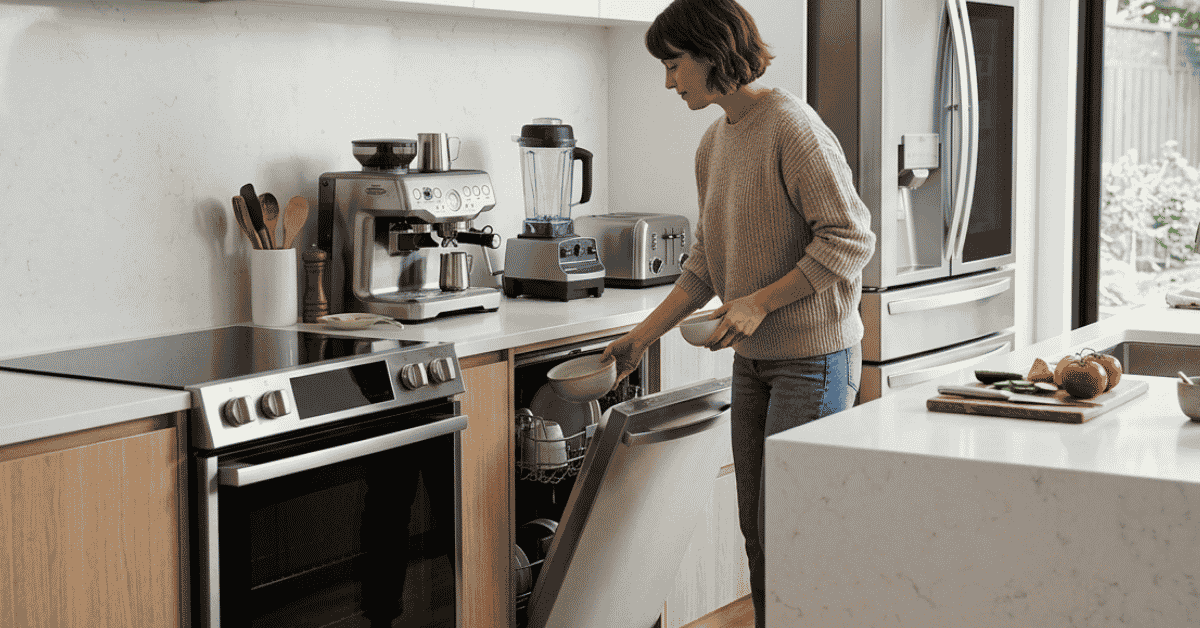
- Refrigerators and Freezers: Keeping food cold and frozen, these are absolutely essential for food storage and preventing spoilage. I have a French door refrigerator, and I love the wide shelves it offers for platters.
- Ovens and Stoves/Cooktops: These are for cooking. Whether it’s a standalone oven with a cooktop above it, or separate built-in units, they are key for baking, roasting, and frying. My gas cooktop offers precise heat control, which I really appreciate.
- Dishwashers: A true modern marvel. They take the chore out of washing dishes, saving water and time compared to hand-washing for many households.
- Washing Machines: For cleaning clothes. They range from simple top-loaders to sophisticated front-loaders with multiple wash cycles.
- Clothes Dryers: Used to dry clothes after washing. They come in gas or electric models.
Small Appliances
These are the countertop workers, the helpers that tackle specific tasks quickly and easily. They don’t require as much installation and are generally much more portable.
- Microwave Ovens: For quick reheating and cooking. So convenient for busy weeknights or a fast snack.
- Toasters and Toaster Ovens: Essential for breakfast lovers or for toasting bread, bagels, and small bakes.
- Blenders and Food Processors: Fantastic for smoothies, sauces, chopping vegetables, and making dips. My blender gets a workout almost every morning.
- Coffee Makers and Espresso Machines: For that essential morning (or afternoon!) caffeine fix.
- Electric Kettles: Boil water much faster than a traditional stovetop kettle.
- Irons and Steamers: For keeping clothes crisp and wrinkle-free.
Other Appliances
This category can include specialized items or those that might not fit neatly into the above.
- Vacuum Cleaners: For keeping floors and other surfaces clean.
- Air Conditioners and Heaters: For climate control within the home.
- Water Heaters: Provide hot water for showers, sinks, and laundry.
- Range Hoods/Ventilation: Remove smoke, grease, and odors from the kitchen.
Features and Considerations for Home Appliances
When I’m looking at new appliances, or just thinking about my current ones, there are a few things I always keep in mind. It’s not just about what they do, but how they do it.
Energy Efficiency
This is huge for me. Not only does it save money on my electricity or gas bills, but it’s also better for the environment. Look for the Energy Star label.
It’s a good indicator that the appliance is more efficient than standard models. I’ve noticed a real difference in my bills since upgrading to more Energy Star appliances.
Capacity and Size
This is critical. A refrigerator that’s too small means frequent grocery trips. A washing machine that’s too small means doing laundry constantly.
You need to consider how many people are in your household and your typical usage. For example, if I’m buying a dryer, I make sure it can handle the load size of my washing machine.
Smart Technology
Many appliances now come with “smart” features. This means they can connect to Wi-Fi and be controlled via a smartphone app. I find this useful for setting my oven to preheat on my way home or checking if I left the washing machine running.
However, it’s not essential for everyone, so weigh if the extra cost is worth it for you.
Durability and Brand Reputation
I always try to read reviews and research brands known for reliability. My goal is for an appliance to last a long time without needing repairs. A well-built appliance might cost a bit more upfront, but it can save a lot of headaches and money in the long run.
I sometimes ask friends for their recommendations based on their own experiences.
Ease of Use and Cleaning
An appliance should make your life easier, not harder. Are the controls intuitive? Is it easy to clean the interior and exterior?
For instance, a refrigerator with spill-proof shelves is a godsend, and being able to easily wipe down my oven interior saves me so much scrubbing.
Installation Requirements
Some appliances, like dishwashers, ovens, and dryers, require specific hookups, water lines, gas lines, or particular electrical outlets. It’s important to know what’s needed beforehand to avoid surprises or extra installation costs. I’ve learned to measure carefully before I even go shopping.
A Quick Look at Appliance Powerhouses
Here’s a look at how some common appliances stack up when it comes to their main function and what makes them great.
| Appliance Type | Primary Function | Key Benefit | What to Look For |
|---|---|---|---|
| Refrigerator | Keep food cold and fresh | Food preservation, reduced waste | Capacity, energy efficiency, shelving flexibility |
| Dishwasher | Clean dirty dishes | Saves time, sanitizes cutlery and plates | Capacity, wash cycles, noise level, water efficiency |
| Washing Machine | Clean laundry | Frees up time, hygienic clothes | Capacity, wash cycles, water usage, spin speed |
| Oven | Bake, roast, and cook food | Versatile cooking, preparing meals | Size, temperature accuracy, cleaning features, fuel type |
| Microwave Oven | Rapid heating and cooking | Speed, convenience for quick meals | Wattage, capacity, pre-programmed settings |
| Clothes Dryer | Dry wet laundry | Speeds up the laundry process, softer clothes | Capacity, heat settings, energy efficiency, sensor drying |
Maintaining Your Home Appliances
Keeping your appliances in good working order is key. It ensures they run efficiently and keeps them from breaking down unexpectedly. I try to do a little bit of maintenance regularly.
Regular Cleaning
This is perhaps the most important and easiest step. Wipe down the exteriors daily. Clean the insides of refrigerators and ovens at least a few times a year.
For washing machines, run a cleaning cycle regularly to prevent mold and odors. Dust filters on dryers and vacuum cleaner vents. It keeps them looking good and working better.
Check for Leaks or Unusual Noises
If you notice any water leaks around your washing machine or dishwasher, or if your refrigerator is making strange noises, it’s best to check it out. Sometimes it’s a simple fix, like tightening a hose. Other times, it might be a sign of a bigger problem that needs professional attention.
I caught a small leak under my fridge once because I heard a dripping sound.
Follow Manufacturer’s Instructions
The manual that comes with your appliance is your best friend. It will have specific cleaning tips and maintenance schedules. For example, some ovens have self-cleaning cycles that require specific preparation, and some washing machines need their filters cleaned.
Professional Servicing
For more complex appliances or if you suspect a serious issue, don’t hesitate to call a professional technician. Regular check-ups can sometimes prevent major breakdowns. It’s like taking your car in for an oil change; it keeps everything running smoothly.
The Evolution of Home Appliances
It’s amazing to think about how far home appliances have come. My grandmother’s kitchen was so different from mine. She had an icebox, not a refrigerator!
The early washing machines were manual wringers. Now, we have appliances that can be controlled from across the country. This evolution has dramatically changed domestic work, freeing up immense amounts of time for people, particularly women, to pursue education, careers, and leisure activities.
It’s a constant innovation, always pushing for more efficiency, more convenience, and more smart features.
Should I upgrade my old appliances?
Consider the energy savings and new features that modern appliances offer. If your old ones are costing a lot to run or repair, an upgrade might be wise. Learn more about appliance efficiency.
What is the most important appliance in the kitchen?
For most people, the refrigerator is the most crucial appliance as it’s essential for food safety and storage. Find out more about refrigerator types.
How much do home appliances typically cost?
Costs vary widely from under $100 for small appliances to several thousand dollars for high-end major appliances. Explore appliance pricing.
Are smart appliances worth the extra money?
Smart features offer convenience, but if you don’t plan to use them, they might not be worth the increased cost. Discover smart appliance benefits.
What’s the difference between major and small appliances?
Major appliances are large, stationary items like refrigerators and ovens, while small appliances are portable, countertop items like toasters and blenders. Read about appliance categories.