
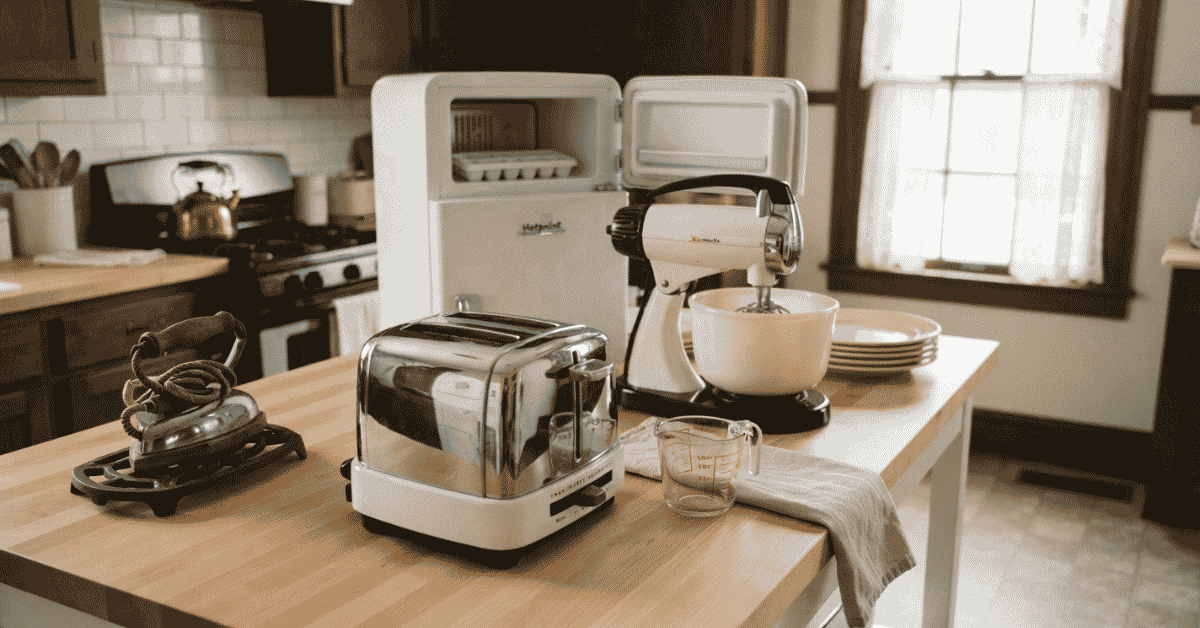
New home appliances 1920s fascinated me the moment I inherited my grandmother’s old kitchen photos. Black and white images. Strange metal boxes. Nothing looked familiar. I started researching to understand what she actually used daily. Months of digging through archives taught me more than I expected. Below, I share what I found, real details included, so you can appreciate this era of innovation too.
Why I Got Curious About 1920s Appliances
My grandmother mentioned her first refrigerator once, almost in passing. I barely listened at the time.
Years later, I found her old recipe box. Handwritten notes mentioned an “icebox,” not a fridge. That confused me completely.
I remember sitting with those photos for hours. Strange machines with exposed motors. Nothing looked like my modern kitchen. That moment sparked genuine curiosity.
What Pushed Me to Research Further
- Family photos showed unfamiliar appliances
- My grandmother’s stories didn’t match modern terms
- I wanted historical context for old recipes
- Museum visits sparked deeper questions
The Electric Refrigerator: A Genuine Revolution
Before this decade, most homes used iceboxes. Blocks of ice kept food cool, but not for long.
I learned that electric refrigerators became available to wealthier households starting around 1927. They were expensive, bulky, and loud by today’s standards.
My research showed something surprising. Early models sat outside kitchens sometimes, since the compressor noise disturbed households constantly.
Early Refrigerator Features
- Exposed cooling coils on top
- Wooden or metal cabinet exteriors
- Manual temperature adjustments
- Heavy, often over 200 pounds
Washing Machines That Changed Laundry Day
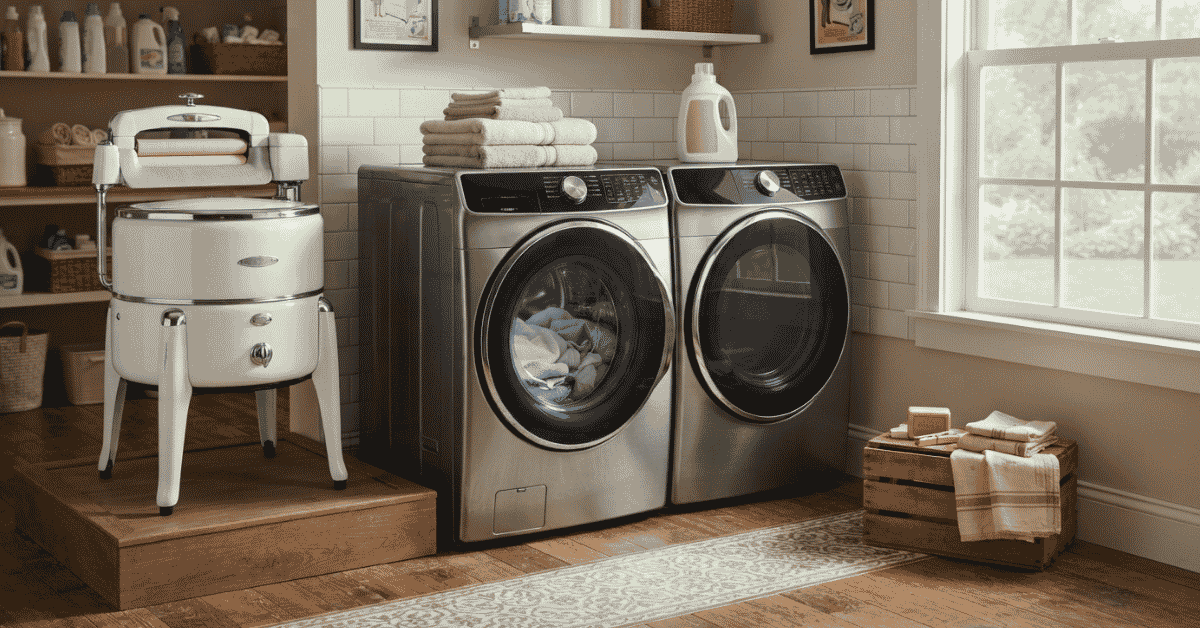
Laundry consumed entire days before this era. Scrubbing boards. Boiling water. Exhausting physical labor.
I found records showing electric washing machines gained popularity through the 1920s. They still required manual wringing through attached rollers.
What surprised me most:
- Many machines lacked spin cycles entirely
- Users fed clothes through hand-cranked wringers
- Injuries from wringers were disturbingly common
My grandmother once mentioned catching her sleeve in a wringer. I finally understood that fear after reading historical safety warnings.
The Rise of Electric Stoves
Gas stoves dominated most kitchens still, but electric models started appearing. I found this transition genuinely interesting to research.
What I learned about electric stoves:
- They offered more consistent heat than early gas models
- Many households distrusted electricity for cooking initially
- Adoption stayed slow due to high electricity costs
Cooking habits didn’t shift overnight. Change moved slowly, household by household, decade by decade.
Comparison Table: 1920s Appliances vs Modern Equivalents
I get asked often how these old appliances compare to what we use today. Here’s what my research revealed clearly.
| Appliance | 1920s Version | Modern Equivalent | Key Difference |
|---|---|---|---|
| Refrigerator | Bulky, loud, expensive | Quiet, compact, affordable | Noise and energy efficiency |
| Washing Machine | Hand-cranked wringer | Fully automatic spin cycle | Safety and automation |
| Stove | Slow-adopting electric models | Instant digital controls | Speed and precision |
| Vacuum Cleaner | Heavy, corded, limited suction | Lightweight, cordless options | Portability and power |
Seeing this table laid out helped me appreciate how far household technology traveled in just one century.
Vacuum Cleaners: Surprisingly Advanced
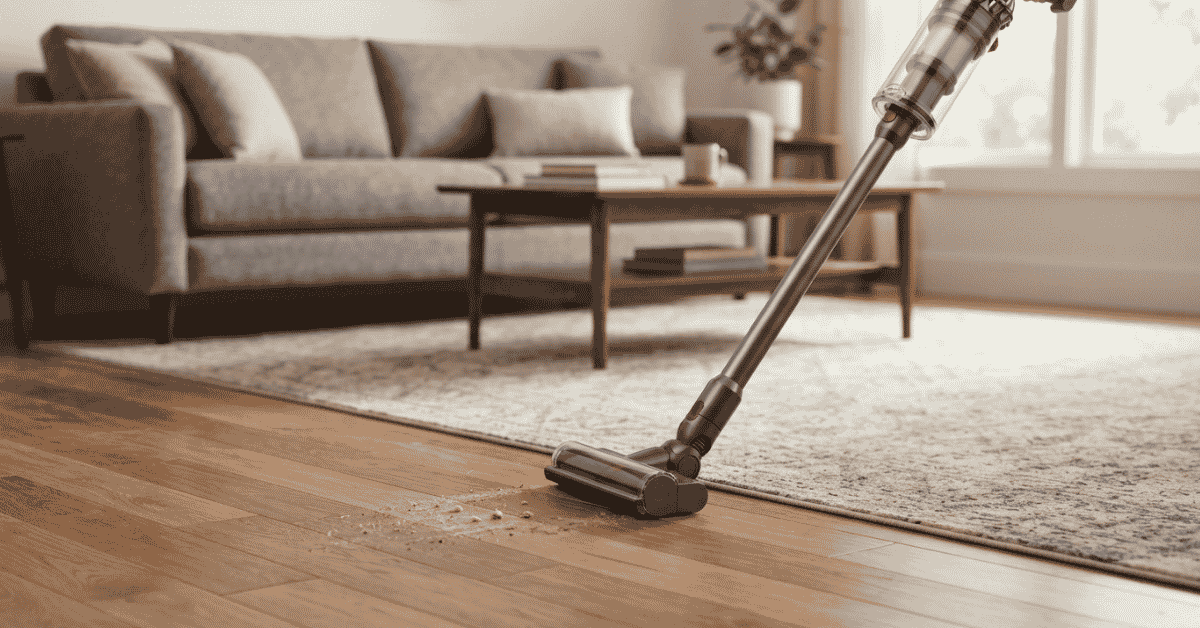
I assumed vacuums were a later invention. My research proved me wrong.
Electric vacuum cleaners existed before the 1920s already, but this decade saw wider household adoption. Companies marketed them heavily to middle-class families.
What I found notable:
- Early vacuums were heavy, often over 15 pounds
- Advertisements focused on health and cleanliness
- Many models required significant physical strength to operate
I tried imagining pushing one of these across a rug for an hour. My arms ached just thinking about it.
Mistakes I Made While Researching This Topic
I won’t pretend my research process was flawless.
- I trusted advertisements as pure fact. Many exaggerated convenience heavily.
- I assumed adoption was instant. Actual household adoption took years, sometimes decades.
- I ignored regional differences. Rural homes lagged far behind urban households.
Now I always cross-reference multiple historical sources. Advertisements alone paint an incomplete picture.
Toasters and Small Kitchen Gadgets
Small appliances fascinated me just as much as large ones.
Popular small appliances I discovered:
- Electric toasters, though without automatic pop-up features
- Percolators for brewing coffee
- Electric irons, replacing heavy stove-heated versions
These smaller changes mattered enormously. Daily routines shifted quietly, appliance by appliance, without dramatic announcement.
Who Could Actually Afford These Appliances?
This question changed my entire perspective. Not every household benefited equally.
Key factors affecting access:
- Urban homes gained electricity access much faster
- Wealthier families adopted appliances years before others
- Rural areas often waited until the 1930s or later
My grandmother’s family, it turns out, didn’t own an electric refrigerator until years after this decade ended. Context matters enormously in historical research.
Why This Era Still Matters Today
Understanding new home appliances 1920s helped me appreciate modern convenience differently. I stopped taking quiet refrigerators and instant stoves for granted.
This research taught me something important: technology adoption isn’t instant or equal. It moves slowly, shaped by cost, location, and trust.
FAQ Section
What was the most important home appliance introduced in the 1920s?
The electric refrigerator stood out most, gradually replacing iceboxes and changing how families stored food safely at home.
Were washing machines fully automatic in the 1920s?
No, most models required hand-cranked wringers, and users manually fed clothes through rollers to remove excess water.
Did every household have electricity during the 1920s?
No, electricity access varied greatly, with urban homes gaining service much faster than rural households across most regions.
Were 1920s appliances dangerous to use?
Some were, especially wringer washing machines, which caused documented injuries when clothing or hands became caught accidentally.
How did 1920s appliances influence modern kitchen design?
They introduced electric convenience concepts still used today. Learn more about early appliance history and its lasting design influence.
My Final Takeaway
I still hear the quiet click of my keyboard researching these old appliances, afternoon light fading slowly across my desk as hours pass unnoticed. Learning about new home appliances 1920s changed how I view my own kitchen entirely. If you’re curious, start with one appliance’s history tonight. Let the past guide your appreciation, one forgotten detail at a time.