
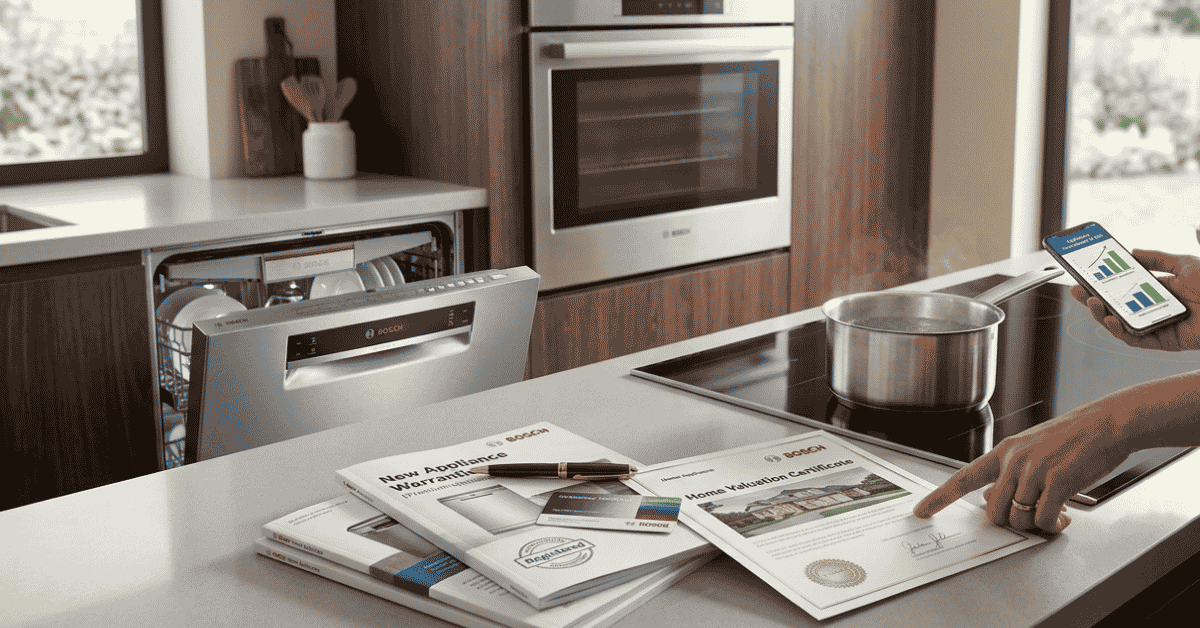
Thinking about upgrading your kitchen or laundry room? Many homeowners wonder if splurging on shiny new appliances actually pays off when it’s time to sell. I’ve been there, agonizing over finishes and features.
Let me tell you, upgrading appliances can make a difference, but it’s not always a direct ticket to a higher sale price. My own kitchen renovation taught me a lot about balancing cost and appeal.
Do New Appliances Increase Home Value?
This is the big question, right? And the honest answer is it’s a bit of a mixed bag, but leaning towards yes, with a few important caveats. When I sold my last place, the buyer zeroed in on the new stainless steel fridge and range.
It definitely caught their eye. But did it add dollar-for-dollar what I spent? Probably not.
It’s more about making your home move-in ready and appealing to a wider range of buyers. Think of it as an investment in marketability and a smoother selling process more than a guaranteed profit increase.
Kitchen Appliances That Add the Most Appeal
When buyers tour a home, the kitchen is often the focal point. Upgrading key appliances here can make a significant impact on their perception of value.
Refrigerators: The Heart of the Kitchen
A modern refrigerator, especially a spacious French door model, is a huge draw. I remember my neighbor bragging about her new smart fridge with a built-in screen. Buyers loved it!
It’s one of the first things people look at.
- Why it matters: Energy efficiency is a big plus. Buyers also love features like ice makers and water dispensers.
- My experience: I once looked at a house with a dated, avocado-green fridge. It was a dealbreaker, even with a great layout. My current home’s sleek Samsung fridge got so many compliments during open houses.
Ranges and Cooktops: Where Magic Happens
A stylish range or a professional-looking cooktop signals quality. Whether it’s gas or electric, a new appliance here feels like an upgrade in functionality and aesthetics.
- My take: A smooth top electric range often feels more modern than an old coil one. If you’re going high-end, a gas range is usually preferred by serious cooks.
- Anecdote: I saw a house with a gorgeous professional-style gas range. It made the whole kitchen feel gourmet, and I immediately imagined myself cooking elaborate meals there.
Dishwashers: The Silent Workhorse
While not always the flashiest, a quiet and efficient dishwasher is a must-have. No one wants a loud, water-guzzling relic from the past.
- What buyers want: Stainless steel interiors, multiple wash cycles, and quiet operation are key.
- My story: When my old dishwasher finally died, I replaced it with a Bosch. The difference in noise level was incredible. Buyers noticed this detail during showings.
Microwaves: Convenience Matters
Whether it’s a countertop model or an over-the-range one, a new microwave adds to the perceived completeness of the kitchen.
- Smart choice: Over-the-range microwaves can save counter space, which is always a plus in smaller kitchens.
- Personal note: I’ve found that removing a bulky countertop microwave can make a kitchen feel much larger.
Laundry Room Upgrades: Beyond Basic Function
While not as high-profile as the kitchen, modern laundry appliances certainly don’t hurt a home’s value. They signal care and updated living.
Washing Machines: Efficiency is Key
Buyers appreciate energy-efficient and high-capacity washing machines. Front-loaders are generally seen as more modern and effective.
- What to look for: Look for models with good capacity and a variety of cycle options.
- My observations: Homes with matching, new washer and dryer sets always look more put-together. It suggests the owner has invested in the property.
Dryers: Speed and Gentle Care
A reliable dryer that gets clothes dry quickly and gently is a plus. Features like steam cycles are becoming more popular.
- Buyer preference: Many buyers prefer gas dryers for their efficiency.
- A quick thought: I’ve noticed that homes with paired, modern laundry sets sell just a tad faster. It’s a subtle but positive signal.
The “Why” Behind Appliance Value
It’s not just about having new things. There are specific reasons why updated appliances can tip the scales.
Modern Aesthetics and Curb Appeal
Let’s face it, a kitchen with gleaming stainless steel appliances just looks better. It signals modern design and a commitment to updated living. I remember touring houses where every appliance matched and was brand new.
It made the entire home feel fresh.
- Visual impact: New appliances can dramatically improve the look of a kitchen or laundry room without major renovations.
- My feeling: When I walk into a kitchen and see dated, clunky appliances, my immediate thought is, “This is going to be expensive to replace.” Fresh appliances erase that concern.
Energy Efficiency Savings
Old appliances can be energy hogs. New models are designed with efficiency in mind. This means lower utility bills for the new owners, which is a significant selling point.
I always highlight the energy star ratings on my appliances when talking to potential buyers.
- Cost savings: Buyers are increasingly focused on long-term running costs.
- My calculation: I actually saved money on my energy bills after upgrading my old refrigerator and dishwasher to newer, more efficient models. That’s a tangible benefit.
Reduced Buyer Concerns and Renovation Hesitation
When appliances are old, buyers often factor in the cost and hassle of replacing them. New appliances remove this immediate worry. They often assume they won’t have to spend more money right after moving in.
- Peace of mind: New appliances suggest your home is well-maintained and requires less immediate work.
- My sales tactic: When selling, I’d tell buyers, “Everything in the kitchen is brand new, so you can just move in and enjoy.” That line always got a positive reaction.
When New Appliances Might NOT Boost Value
It’s not always a slam dunk. Sometimes, the investment might not yield the return you hope for.
Over-Improving for the Neighborhood
If you put top-of-the-line, luxury appliances in a modest home in a budget-friendly neighborhood, you likely won’t recoup the cost. Buyers in that area might not expect or be willing to pay for that level of upgrade. I learned this when advising a friend whose area didn’t support high-end finishes.
- Market trends: Always consider what similar homes in your area are selling for and what features they offer.
- My caution: I once saw a home with a professional-grade chef’s oven in a starter home neighborhood. It felt out of place, and I suspect it didn’t add much to the sale price.
Appliance Type vs. Buyer Preference
While stainless steel is popular, some buyers have strong preferences for other finishes like black, white, or panel-ready options. If you choose a trend that doesn’t align with general buyer taste, it might not appeal broadly.
- General appeal: Stick to widely accepted finishes for maximum buyer appeal.
- My thought: While I love custom panel-ready appliances, knowing they disappear into the cabinetry, I recognize they aren’t for everyone and can be costly to replace if a buyer wants a different look.
Age and Condition of Other Home Systems
If the rest of your home is dated, think old plumbing, electrical, or a worn-out roof, new appliances might not be enough to sway a buyer. They might see them as a cosmetic fix on a home needing major work.
- Holistic view: Buyers assess the entire property, not just individual components.
- My experience: I purchased a home with a new refrigerator, but the original 1950s furnace made me pause. The appliances were nice, but the underlying issues were more concerning.
Making the Smart Appliance Choice for Resale
If you’re considering upgrading with an eye on selling, here’s how to make a smart choice.
Focus on the Kitchen First
The kitchen is where you’ll see the biggest return on investment from appliance upgrades. Prioritize replacing the refrigerator, range, and dishwasher here.
- High impact: Buyers often make initial judgments about a home based on the kitchen.
- My strategy: When I’m thinking about selling within a few years, I always tackle the kitchen appliances first.
Choose Neutral, Popular Finishes
Stainless steel remains a top choice for most buyers. If you prefer other finishes, consider high-quality white or black appliances, or panel-ready options for a seamless look.
- Broad appeal: Neutrality usually wins when trying to attract the widest range of buyers.
- Personal preference: I personally love matte black appliances for a modern, clean look, but I recognize stainless steel is the more common, safer bet for resale.
Prioritize Energy Efficiency and Smart Features
Look for Energy Star certifications and features that offer genuine convenience, like Wi-Fi connectivity or advanced settings. These are selling points that offer tangible benefits.
- Modern conveniences: Smart features can be a draw, but ensure they are intuitive.
- My example: My smart oven allows me to preheat it from my phone, which is a great feature to mention to potential buyers.
Consider Appliance Packages
Buying a suite of matching appliances often comes with a discount and presents a more cohesive, updated look to buyers.
- Cohesion: A matched set looks intentional and well-maintained.
- My advice: If you need to replace multiple appliances, look for deals on full kitchen packages.
Durability and Quality Over Flash
Opt for well-regarded brands known for reliability. A buyer would rather have a reliable, mid-range appliance than a flashy, unreliable high-end one.
- Long-term value: Quality appliances last longer and perform better.
- My research: Before buying, I always read reviews from multiple sources to gauge reliability.
| Appliance Type | Impact on Home Value | Key Features to Highlight |
|---|---|---|
| Refrigerator | High | French door, energy-efficient, water/ice dispenser |
| Range/Cooktop | High | Stainless steel, gas/induction, smooth top, convection oven |
| Dishwasher | Medium | Quiet operation, stainless steel interior, multiple cycles |
| Microwave | Medium | Over-the-range, sleek design, good capacity |
| Washer & Dryer | Medium | Energy-efficient, large capacity, steam sanitize |
Comparing Appliance Upgrades and Home Value
Let’s break down how different levels of appliance upgrades might translate to perceived value. It’s not just about a price tag; it’s about buyer perception.
Basic Upgrade (e.g., Replacing a broken appliance with a standard model)
If an old appliance breaks and you replace it with a functional, average-quality model in a decent finish (like white or black), it maintains the current value. It prevents buyers from seeing a repair needed immediately upon moving in.
- My role: When a fridge died in a rental unit I managed, I simply replaced it with a reliable, standard model. It kept tenants happy and didn’t overspend.
- Outcome: This type of upgrade generally keeps your home aligned with its current market value, preventing depreciation due to faulty appliances.
Mid-Range Upgrade (e.g., Stainless steel suite, good brands)
This is often the sweet spot. Upgrading to a matching set of stainless steel appliances from reputable brands (Samsung, LG, Whirlpool, GE) can make your home feel significantly more current. Buyers see this and think, “This kitchen is move-in ready.”
- My experience: I upgraded my entire kitchen to a stainless steel suite from Whirlpool. The aesthetic change was dramatic, and buyers consistently commented on how nice the kitchen looked.
- Perceived value: This level of upgrade can absolutely boost buyer interest and potentially justify a slightly higher asking price than homes with older appliances. It signals modernity and reduces immediate buyer concerns.
High-End / Luxury Upgrade (e.g., Professional-grade, smart appliances, premium brands like Wolf, Sub-Zero)
While these appliances are impressive, they don’t always translate to a dollar-for-dollar return, especially outside of high-end markets. Buyers might be intimidated by the cost of maintenance, repairs, or simply not need or want such specialized equipment.
- My observation: I visited a home with a $15,000 range. It was amazing, but the price of the house reflected it, and I knew that if it broke, repairs would be astronomical. I personally wasn’t willing to pay a premium for it.
- Return on investment: This level of upgrade is best reserved for homes in luxury markets where buyers expect and are willing to pay for top-tier features. In standard markets, it can be seen as over-improving.
Frequently Asked Questions About Appliances and Home Value
Do new appliances guarantee a higher sale price?
Generally, yes, but not always dollar-for-dollar what you spend. They significantly boost appeal and marketability.
Which appliance upgrades add the most value?
Kitchen appliances, especially refrigerators and ranges, tend to have the biggest impact.
Should I buy matching appliances for resale?
Yes, a matching suite looks cohesive and modern, which buyers greatly appreciate.
Are smart appliances worth the investment for resale?
Smart features can be a draw for some buyers, but don’t overspend solely on them. Focus on core functionality and appeal.
When is it not worth upgrading appliances for home value?
If you’re significantly over-improving for your neighborhood or if other major home systems are in disrepair.